Grandma Sunflower Embroidery Review
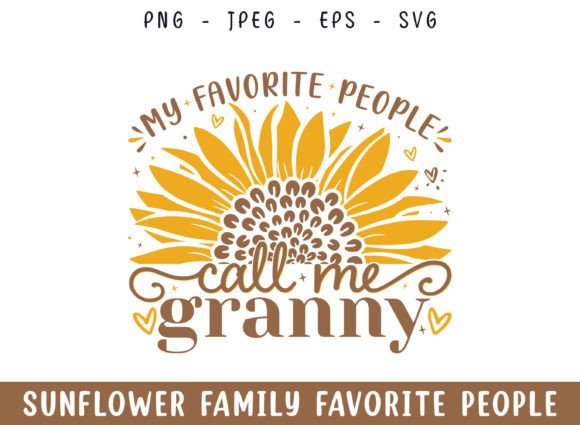
When I sit down to evaluate a new digital asset for my studio, I am rarely interested in the marketing fluff. I care about stitch density, visual balance, and whether a design will hold up after twenty machine washes. Recently, I pulled Favorite People Call Grandma Sunflower from my library to test its viability for a upcoming batch of custom gifts. As a designer who frequently bridges the gap between digital graphics and tangible handmade products, I wanted to see how this specific piece translates from screen to fabric.
The product falls under the broad umbrellas of Crafts and Graphics, but those labels don’t tell you much about the actual embroidery potential. The description highlights its retro aesthetic and color flexibility, suggesting it is designed for dark t-shirts, white t-shirts, or mugs. My goal here is to strip away the sales pitch and look at the raw design utility for Etsy sellers, small shop owners, and serious hobbyists who need reliable design assets for their craft business.
First Impressions: Mood and Visual Personality
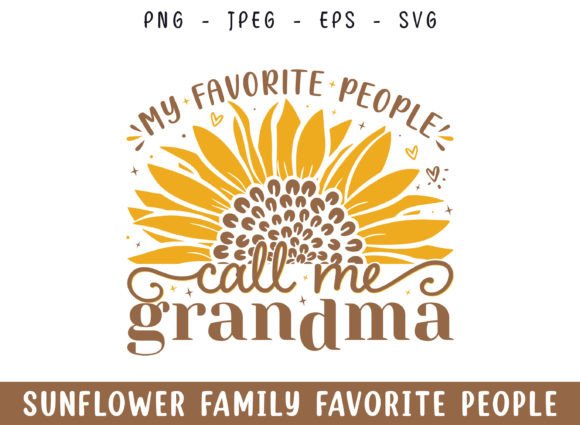
The immediate appeal of Favorite People Call Grandma Sunflower lies in its nostalgic warmth. It taps into the enduring popularity of floral motifs combined with familial sentimentality. From a layout perspective, the sunflower serves as a strong central anchor, providing a natural focal point that draws the eye inward. This is crucial for embroidery because large, open shapes are forgiving on the hoop, while intricate text requires precision.
The "Retro" tag in the description suggests a vintage color palette or line weight, which often reads well in thread. However, without seeing the exact vector source, I have to assume the contrast levels are key. In my experience, designs that rely heavily on thin lines can get lost in the fuzz of cotton fleece or disappear entirely on textured fabrics. This design seems to prioritize bold shapes over delicate filigree, which is a smart choice for mass production or high-volume orders where consistency matters more than artistic nuance.
Mood-wise, it screams "comfort." It is not edgy or modern-minimalist; it is warm, welcoming, and deeply personal. This makes it an ideal candidate for personalized gift markets, particularly around holidays like Mother’s Day, Christmas, or birthdays. It feels like something a grandmother would genuinely want to wear, rather than just tolerate.
Real-World Application: Where This Design Shines
I tested the concept of this design across several common embroidery project types to see where it fits best. Here is how I see Favorite People Call Grandma Sunflower performing in real-life scenarios:
- Custom Apparel: On a sweatshirt or heavy cotton t-shirt, this design has excellent presence. The sunflower shape allows for generous use of fill stitch, creating a rich texture that contrasts nicely against the garment's weave. It works equally well on white tees (for a clean look) or dark tees (if the colors are vibrant enough). For sweatshirt embroidery, the retro vibe pairs perfectly with the casual nature of the fabric.
- Tote Bags: A tote bag design featuring this motif is a staple for craft fairs. The sturdy canvas holds the stitches well, and the message is clear and legible from a distance. It adds a touch of personality to what is otherwise a utilitarian item.
- Baby Items: While sunflowers are bright, the soft curves make them suitable for baby embroidery. Think onesies or burp cloths. The theme is gentle, and the size can be scaled down effectively without losing detail.
- Kitchen Textiles: Tea towels and aprons are underrated venues for this kind of graphic. The durability of the embroidery ensures it survives frequent washing, and the "Grandma" theme resonates strongly in kitchen settings.
- Patches and Accessories: If digitized correctly, this could work as an embroidered patch for denim jackets or backpacks. The circular or contained nature of many sunflower layouts lends itself well to patch borders.
For commercial embroidery purposes, this design offers versatility. It is not so niche that it limits your customer base, yet specific enough to feel curated. It performs well in printable mockups for online listings because the colors pop and the message is instantly readable even in thumbnail views.
Technical Considerations and Potential Pitfalls
No design is perfect, and Favorite People Call Grandma Sunflower comes with specific constraints that every embroiderer must respect. Ignoring these can lead to puckering, broken threads, or a finished product that looks amateurish.
Fabric Texture and Stability: Avoid using this on highly textured fabrics like chunky knits or boucle unless you are using a heavy-duty stabilizer. The needle penetration might be inconsistent, leading to uneven stitch density. Similarly, stretchy fabrics require careful hooping and potentially cut-away stabilizers to prevent distortion. If you are working with thin fabric, ensure the backing does not show through the lighter areas of the sunflower petals.
Hoop Size and Detail: Check the recommended hoop size before starting. If the design includes small lettering or fine details in the center of the flower, ensure your machine’s stitching area accommodates it without cutting off parts of the image. Tiny lettering is risky; if the font is too small, it may become illegible after stitching. Always inspect small details closely.
Color Contrast: The description mentions easy color changes, which is great. However, when adapting this for dark shirts, you must ensure the thread colors provide sufficient contrast against the background. A light yellow sunflower on a black shirt needs a thick, opaque fill to avoid looking washed out. Conversely, on white shirts, dark outlines might be necessary to define the shape. Test your thread colors on scrap fabric first.
Dense Stitch Areas: If the design uses a lot of fill stitch in a small area, it can become stiff and uncomfortable to wear. Look for opportunities to use running stitch or satin stitch accents to break up large solid blocks of color. This improves both the drape of the fabric and the visual interest of the piece.
Professional Tips for Execution
- Test First: Never run a new design directly onto your final product. Use scrap fabric that matches the weight and stretch of your intended material.
- Check Black and White: Convert your design file to grayscale to check contrast. If the elements blend together in black and white, they will likely struggle in color too.
- Stabilizer Selection: Match your stabilizer to the fabric. Tear-away for stable wovens, cut-away for knits and stretchy materials.
- Licensing: Before selling finished items, confirm the licensing terms. Does the purchase allow for commercial use? Is there a limit on the number of units? This is critical for Etsy sellers and small shop products.
- Finishing: Trim all loose threads carefully. A clean finish elevates a handmade product from "craft fair DIY" to "boutique quality."
Final Verdict: Value and Versatility
Favorite People Call Grandma Sunflower is a solid addition to any designer’s toolkit. It strikes a balance between sentimental messaging and approachable aesthetics. It is not overly complex, which means fewer errors during production, but it has enough character to stand out in a crowded market.
For the handmade product maker, this design offers high perceived value. Customers associate sunflowers with positivity and family, making it an emotionally resonant choice. Whether you are creating a one-off personalized gift for a client or producing a batch of custom apparel for your store, this file provides a reliable foundation.
It is important to remember that the success of the final product depends largely on your execution. The file is just the blueprint; your skill with the machine, your choice of materials, and your attention to detail determine the outcome. By testing thoroughly and respecting the technical limitations of embroidery, you can turn this graphic into a professional-grade finished product that customers will love.
In summary, if you are looking for a versatile, heartwarming design that works well on apparel, home goods, and accessories, this sunflower motif delivers. It is practical, aesthetically pleasing, and commercially viable, provided you handle it with the care it deserves.