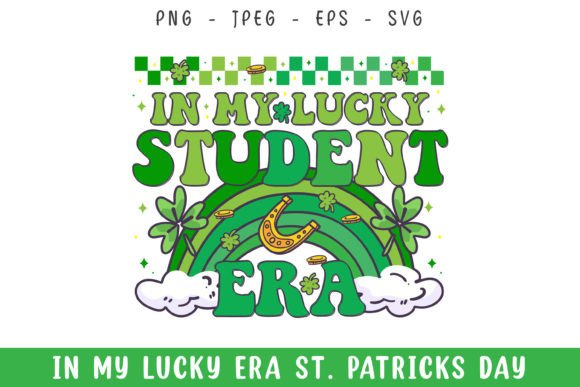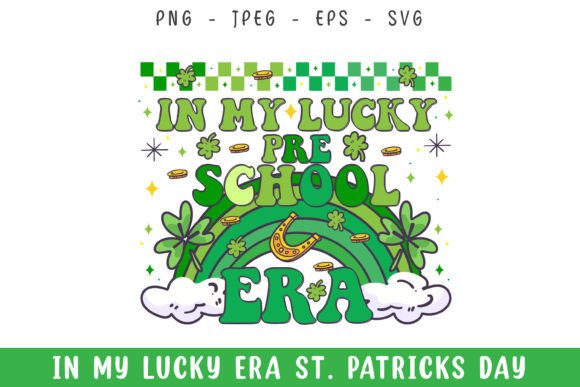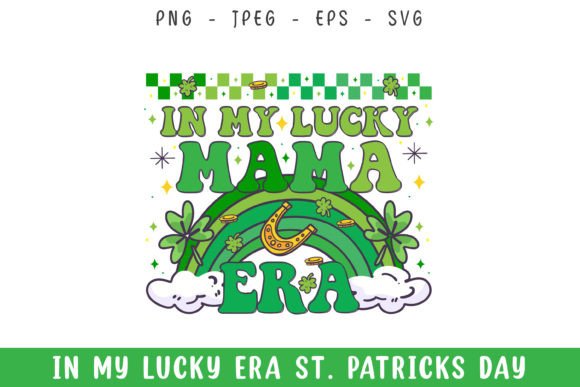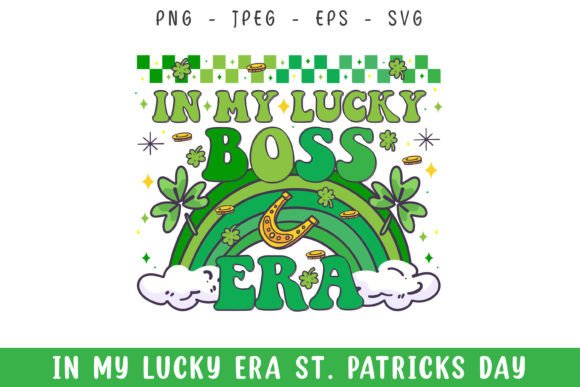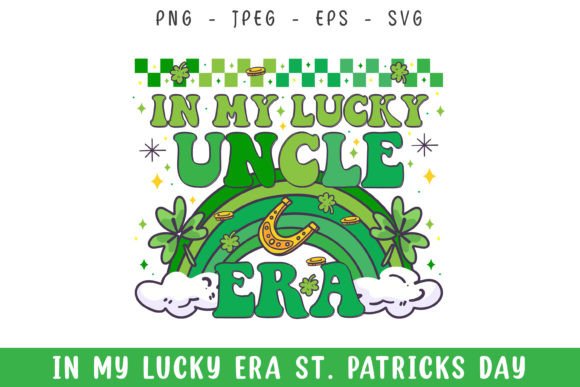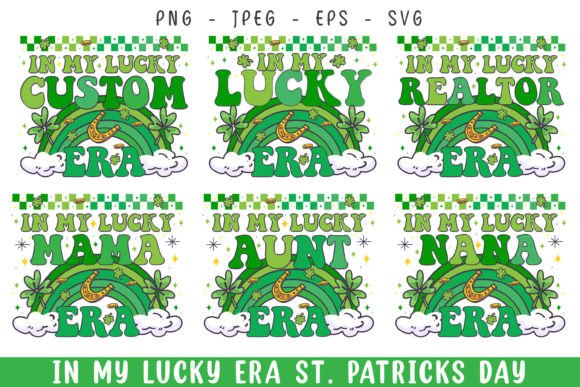
In My Lucky St. Patrick s Day Era SVG
When I sit down to evaluate a new machine embroidery design, I am rarely looking for just another holiday novelty. As a designer who frequently produces items for boutique clients and craft fair customers, my eyes are drawn to designs that possess structural integrity, clear visual hierarchy, and genuine aesthetic appeal. Recently, I spent time analyzing the In My Lucky St. Patrick s Day Era SVG. At first glance, it fits squarely into the trending "groovy era" aesthetic that has dominated social media feeds for the past year. However, moving beyond the trendiness, I needed to determine if this file translates effectively from a digital screen to a physical stitch-out, particularly for those of us running small businesses or creating high-quality handmade products.
The initial mood of this design is undeniably retro. It leans heavily into the 1970s revival style, utilizing curved typography and playful shapes that evoke a sense of nostalgia and fun. For an Etsy seller or small shop product creator, this immediate recognition is valuable. Customers scrolling through listings are often drawn to designs that feel familiar yet fresh. The phrase "In My Lucky Era" plays on current pop-culture syntax while tying it directly to St. Patrick’s Day traditions. Visually, the layout feels balanced, suggesting that when digitized correctly, the design will have a strong presence without feeling cluttered. It screams casual comfort, which immediately directs my thoughts toward specific fabric choices and garment types.
Real-World Application and Project Suitability
To truly understand the value of this embroidery file, we must look at how it performs in actual production scenarios. The most obvious application for this design is custom apparel. Specifically, I see this excelling on sweatshirts and heavyweight t-shirts. The groovy theme pairs naturally with cozy fabrics, making it an ideal candidate for fall/winter transitions or spring layering pieces. When considering a sweatshirt embroidery project, the contrast between the soft texture of fleece and the crisp lines of the digitization creates a premium feel that customers appreciate.
Beyond standard clothing, this design offers versatility for accessories. A tote bag design featuring this motif could serve as a great promotional item for local businesses during March. The bold nature of the text ensures legibility even on canvas or cotton blends. Additionally, for those focusing on the baby market, this would work beautifully on a onesie or a nursery wall hanging. The "lucky charm" aspect adds a sentimental touch that appeals to parents looking for meaningful personalized gifts. I also envision this working well as an embroidered patch intended for denim jackets or beanies, adding a pop of color and personality to otherwise plain garments.
However, not every surface is created equal. While the design is versatile, its success depends heavily on the substrate. For digital product sellers creating mockups, this design provides excellent visual interest. But for the physical maker, caution is required when selecting materials. The retro style relies on clean curves and distinct letterforms. If placed on a highly textured fabric like bouclé or a thick waffle knit, the details may get lost. Similarly, on stretchy jersey knits, the design might distort if proper stabilization techniques are not employed. The key here is matching the weight of the design to the weight of the fabric.
Technical Considerations for Embroidery Designers
As professionals, we know that a beautiful vector does not always guarantee a beautiful stitch-out. When preparing the In My Lucky St. Patrick s Day Era SVG for production, several technical factors come into play. First, consider the stitch density. Retro designs often utilize large areas of fill stitch to create solid blocks of color. If the density is too high, the fabric can pucker, especially around the curved letters. Conversely, if the density is too low, the underlying fabric may show through, ruining the clean aesthetic. Testing the design on scrap fabric is non-negotiable. You need to verify that the hoop size accommodates the entire graphic without awkward re-hooping, which can lead to misalignment.
Thread selection is equally critical. The description notes that this design allows for easy color changes, which is a significant advantage. For a dark t-shirt, using bright greens, yellows, and whites will make the design pop. On a white tee, deeper jewel tones or metallic threads could add a sophisticated twist. I recommend testing various thread colors to ensure sufficient contrast. A common mistake is choosing shades that are too similar to the fabric, resulting in a muddy appearance. Furthermore, inspect the smaller details in the design. If there are tiny decorative accents or thin connecting threads, ensure your machine can handle them without breaking. Using a proper stabilizer—whether cut-away for stability or tear-away for lightweight fabrics—will significantly impact the final finish.
Where to Exercise Caution
While this design is robust, there are specific contexts where it may struggle. Avoid placing this on small hoop sizes unless you are comfortable with potential loss of detail. Tiny lettering or intricate corners can become illegible when stitched at reduced scales. Similarly, curved surfaces like baseball caps require careful placement and potentially additional underlay stitches to prevent distortion. If you are producing items that will undergo frequent washing, such as kitchen towels or aprons, ensure the design is anchored securely. Loose ends or insufficient density can lead to fraying over time, which reflects poorly on the quality of your craft business.
Another area of concern is dark fabric. While the design supports color changes, stitching light threads on dark backgrounds can sometimes result in visibility issues depending on the thread sheen. Matte polyester threads often perform better than shiny rayon in these scenarios, as they provide a more consistent look against darker weaves. Always test your finished product under different lighting conditions to ensure the visual appeal holds up in real-world settings.
Impact on Brand and Customer Perception
From a marketing perspective, the choice of design influences customer trust and brand consistency. A well-executed embroidery project signals professionalism. When a customer receives a hoodie with crisp, centered stitching and no loose threads, their perception of your brand elevates. The "In My Lucky Era" theme is relatable and shareable, encouraging buyers to post photos on social media. This organic marketing can drive traffic to your online store. However, this only works if the execution is flawless. Sloppy stitching undermines the trendy message, regardless of how good the design looks digitally.
For commercial embroidery projects, understanding the licensing terms is paramount. Before selling finished items, confirm that you have the appropriate rights to use this graphics asset. Many designers offer personal use licenses only, meaning you cannot sell the physical goods produced from the file without upgrading to a commercial license. Ignoring this step can lead to legal complications and damage your reputation within the creative entrepreneur community. Always review the terms provided by the original creator to ensure compliance.
Final Verdict
The In My Lucky St. Patrick s Day Era SVG is a strong contender for anyone looking to capitalize on the St. Patrick’s Day season with a modern twist. Its retro vibe resonates with current trends, and its structural simplicity makes it adaptable to various apparel decorators needs. Whether you are creating holiday gifts, updating your Etsy listings, or expanding your design assets library, this file offers practical value. By paying attention to fabric choice, thread contrast, and stabilization, you can transform this digital graphic into a stunning handmade product that stands out in a crowded marketplace. Remember, the difference between a good design and a great one lies in the execution. Test thoroughly, stitch confidently, and let the quality of your work speak for itself.