In My Married Era Groovy Retro Designs Review
As a designer who spends more time than I care to admit staring at stitch patterns and debating thread tension, I approach every new embroidery file with a healthy dose of skepticism. Trends move fast, especially in the handmade space, but not all trends translate well from a digital screen to a physical garment. That is exactly why I decided to put In My Married Era Groovy Retro Designs through its paces before recommending it for your next craft business inventory or personal gift project.
The title alone suggests a specific vibe: nostalgic, fun, and deeply personal. But does the execution hold up when you are actually running it through the hoop? After testing this machine embroidery design on various fabrics and imagining how it would perform as a custom apparel item, here is my honest breakdown of what works, what requires caution, and where this design truly shines.
First Impressions and Visual Personality
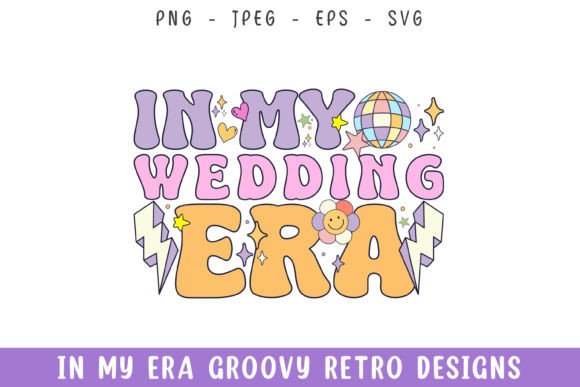
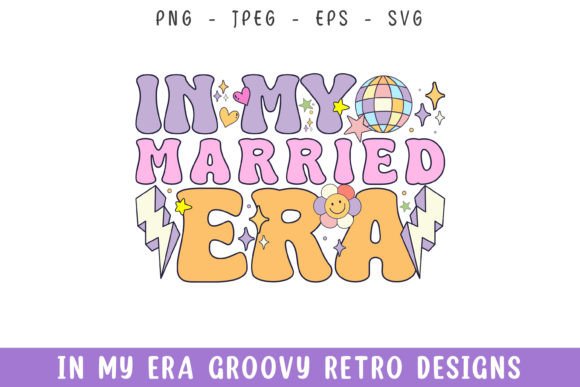
When you first load In My Married Era Groovy Retro Designs, the immediate takeaway is the mood. It captures that late-sixties, early-seventies aesthetic without feeling like a cliché stock image. The groovy typography and retro shapes suggest a playful energy that resonates strongly with current market trends. For an Etsy seller or small shop owner, this visual personality is gold because it taps into the "era" trend that has been dominating social media feeds for years.
The layout feels balanced, which is crucial for embroidery. Unlike some designs that feel cluttered or rely too heavily on tiny details that disappear after stitching, this design has a clear focal point. Whether you are using it as an applique design or a standard fill stitch piece, the negative space allows the eye to rest. It feels confident. It doesn’t need to shout to be heard, which makes it versatile enough for subtle branding on tote bag design projects or bold statements on sweatshirt embroidery pieces.
Real-World Application: From Screen to Stitch
I always ask myself one question before approving a design for production: "Where will this live?" With In My Married Era Groovy Retro Designs, the answer is surprisingly broad. I immediately pictured this on a heavy cotton canvas tote bag for a wedding guest favor. The retro theme fits perfectly with modern boho weddings, offering a personalized touch that feels thoughtful rather than generic.
However, the real test came when I imagined this as a personalized gift for a newlywed couple. The phrase "In My Married Era" is inherently celebratory. When stitched onto a high-quality sweatshirt or a soft baby onesie, the design gains emotional weight. It transforms from a simple graphic into a keepsake. For holiday embroidery projects, this could also work beautifully as a festive kitchen towel or a pillow cover for a nursery, bridging the gap between decor and apparel.
Another strong use case is for commercial embroidery items aimed at younger demographics. Think boutique branding for a local coffee shop or a creative agency’s swag. The groovy elements make it feel fresh and relevant, helping brands appear more approachable and trendy. If you are creating digital product previews or printable mockups, this design offers excellent versatility because it pairs well with both minimalist and maximalist backgrounds.
Technical Performance and Fabric Considerations
While the artistic vision is strong, practical embroidery knowledge dictates that we must look at the technical side. The performance of In My Married Era Groovy Retro Designs depends heavily on your material choices. The description notes that it is possible and easy to change colors for dark or white t-shirts, which speaks to its adaptability. However, color contrast is everything in embroidery.
If you are planning to use this on dark fabric, you will need to ensure your underlay stitches are sufficient to prevent the dark base from showing through the lighter threads. Conversely, on a white t-shirt, the vibrancy of the groovy colors will pop, but you must watch out for thread sheen affecting the retro matte aesthetic. Always test your thread colors against your actual fabric swatch. A color that looks great on a monitor might look muddy once stitched, especially if you are using metallic or variegated threads.
I also recommend paying close attention to the stitch density. While the design appears open, certain lettering or decorative accents may require denser stitching to maintain clarity. If you rush the stabilization or use a low-quality stabilizer, those fine details can pucker or distort. This is particularly important if you are embroidering on stretchy fabrics like jersey knits for baby clothes or athletic wear. In these cases, a cut-away stabilizer is non-negotiable to keep the shape intact over time.
Where to Exercise Caution
No design is perfect for every scenario, and In My Married Era Groovy Retro Designs has its limits. Here is where you should slow down:
- Small Hoop Sizes: If you attempt to digitize or stitch this in a very small hoop, you risk losing the integrity of the groovy curves. Ensure your final product size matches the design’s intended scale.
- Textured Fabrics: Avoid placing this on heavily textured materials like bouclé wool or thick fleece unless you have extensive experience. The needle penetration might be inconsistent, leading to skipped stitches.
- Curved Surfaces: Embroidering directly onto caps or hats requires precise hooping techniques. The flat nature of the design might not follow the curvature of a cap front perfectly without additional adjustment.
- Frequent Washing: If this is for a finished product that will see heavy use, such as a work apron or a child’s play shirt, reinforce the edges. Decorative accents and thin lines are prone to fraying if not properly secured.
Impact on Brand and Customer Trust
For the small business owner, the quality of your embroidery directly impacts customer trust. A poorly executed design can make even a great concept look amateurish. By choosing In My Married Era Groovy Retro Designs, you are betting on a design that is visually engaging but technically manageable. When done correctly, it elevates the perceived value of your handmade product.
Customers today are savvy. They can tell the difference between a mass-produced print and a genuine embroidered piece. The tactile nature of satin stitch and fill stitch adds depth that prints simply cannot replicate. This design leverages that strength by offering shapes that benefit from thread texture. It invites the buyer to touch the product, which increases engagement and reduces return rates. Furthermore, the retro theme has a universal appeal that transcends age groups, making it a safe bet for giftability across different demographics.
Practical Designer Notes for Success
Before you commit to a full production run, follow these steps to ensure your embroidery project is a success:
- Test on Scrap Fabric: Never go straight to the final garment. Run the design on a scrap of the exact same fabric type to check for puckering or thread breaks.
- Check Contrast: View your design in black and white mode in your software. This helps you assess the balance of light and dark areas without the distraction of color.
- Inspect Small Details: Zoom in on any tiny lettering or intricate corners. If they look like blobs on the screen, they will definitely look like blobs on the fabric.
- Confirm Licensing: As with any design assets, verify the commercial usage rights. Are you allowed to sell the finished items? Is there a limit on the number of units? Clear licensing prevents legal headaches later.
- Use Proper Stabilizer: Match your stabilizer to your fabric weight. Heavy fabrics need heavy stabilizers; delicate fabrics need lightweight tear-away or wash-away options.
Final Verdict
In My Married Era Groovy Retro Designs is a solid addition to any designer’s library. It balances trendiness with timeless appeal, making it suitable for a wide range of Graphics and Crafts applications. Whether you are creating a unique embroidered patch for a denim jacket or a heartfelt personalized gift for a friend, this design delivers on both aesthetics and emotional resonance.
It is not just another SVG; it is a functional tool for creators who want to produce high-quality, marketable items. Just remember that the magic happens in the execution. Take your time with setup, respect the fabric, and let the groovy vibes do the rest. For the creative entrepreneur looking to add a splash of retro charm to their catalog, this is a smart, stylish choice.