In My Merry Nana Christmas Era Groovy Review
As a designer who spends half my life staring at stitch charts and the other half worrying about client expectations, I approach every new digital asset with a healthy dose of skepticism. We have all seen designs that look perfect on screen but turn into a tangled mess of thread once they hit the hoop. Today, I am putting In My Merry Nana Christmas Era Groovy through its paces. This isn't just another holiday graphic; it is a specific cultural touchpoint—the "In My ___ Era" trend—mixed with retro groovy aesthetics and a sweet familial nod to grandmothers. But does it translate well from a vector file to actual embroidery? Let us dig into the practical realities of using this design for real projects.
First Impressions and Visual Personality
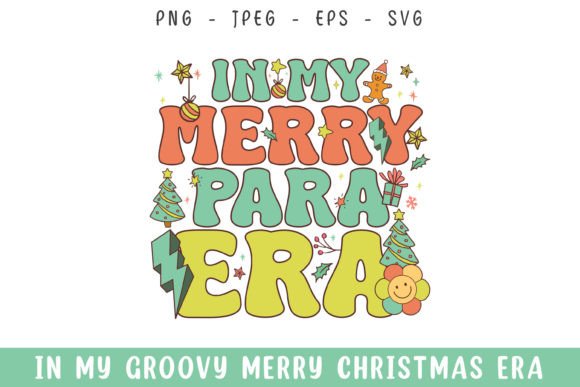
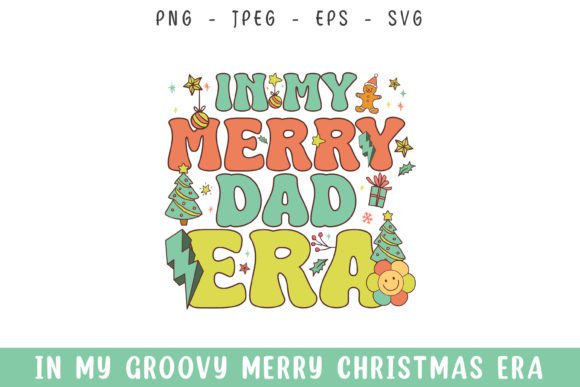
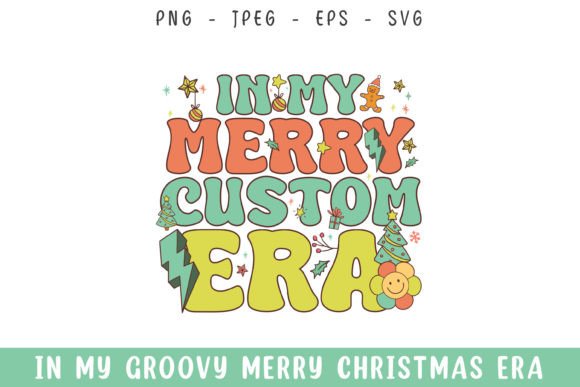
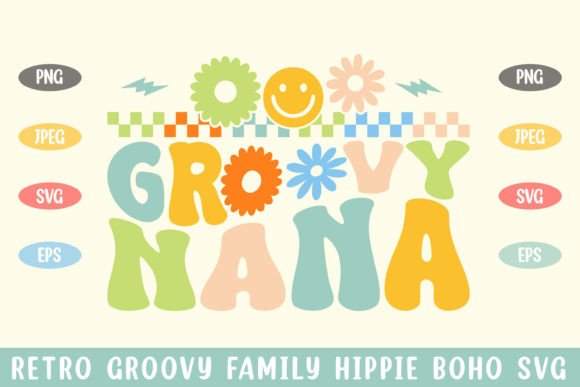
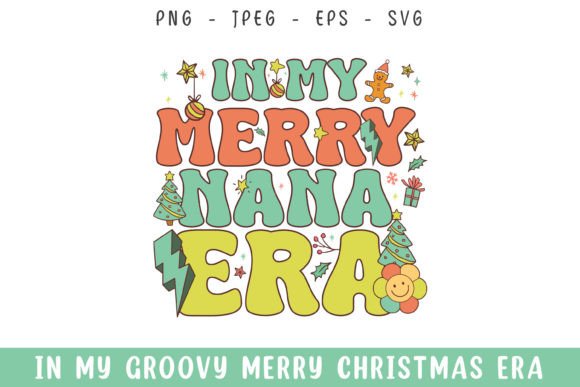
The moment you open the file for In My Merry Nana Christmas Era Groovy, the mood is immediately set. It is playful, nostalgic, and undeniably trendy. The "groovy" font style suggests curves, warmth, and a relaxed vibe, which stands in stark contrast to the rigid, traditional serif fonts often used for classic Christmas greetings. For an embroidery designer, this presents both an opportunity and a challenge. The curves are inviting, but they require careful attention to how satin stitches will flow along those angles.
The theme hits right in the pocket of current gift-giving culture. Everyone loves a personalized item that feels modern yet sentimental. Adding "Nana" makes this a powerhouse product for the holiday season. It is not just a Christmas shirt; it is a statement piece for family gatherings, holiday parties, and matching group photos. Visually, the design personality is confident. It does not try to be subtle. It wants to be seen, which is exactly what you want in a retail environment or on social media feeds where Etsy sellers are competing for attention.
Real-World Application: From Screen to Stitch
I recently imagined this design being applied to a custom embroidered tote bag for a boutique holiday pop-up shop. The idea was to create a reusable shopping bag that doubles as a keepsake. When visualizing In My Merry Nana Christmas Era Groovy on canvas or heavy cotton duck, the legibility holds up well. The bold nature of the text ensures that even if the stitching is slightly loose, the message remains clear. However, I would recommend placing this on the front center panel rather than near the seams, where fabric distortion might warp the "groovy" curves.
Another strong use case is sweatshirt embroidery. Think of a cream or heather grey crewneck. The retro aesthetic pairs beautifully with soft fleece materials. In this scenario, the design acts as a focal point. Because the trend relies on typography, the quality of the lettering is paramount. If your machine struggles with long runs of text, you may find that the spacing between letters becomes inconsistent. I always advise testing the kerning (spacing) on scrap fabric first. The "Merry Christmas" portion needs to feel balanced against the "In My Merry Nana Christmas Era" headline. If one part looks too dense and the other too sparse, the professional finish is lost.
For smaller items like baby onesies or burp cloths, this design offers a charming alternative to standard Santa motifs. It feels less commercial and more heartfelt. A mother buying a gift for her sister-in-law who just had a baby will likely appreciate the unique twist. It signals that the giver is thoughtful and up-to-date with current styles. The design works exceptionally well as an embroidered patch as well, which can be ironed or sewn onto denim jackets or beanies, expanding the product range significantly.
Technical Considerations and Fabric Choices
While the concept is strong, we must talk about execution. The description notes that the color can be easily changed for dark backgrounds. This is crucial. On light fabrics, you might use white or cream thread for a clean look, but on dark fabrics, you need high contrast. Bright gold, deep red, or crisp white threads will make the design pop. However, remember that lighter threads on dark fabric sometimes require multiple passes or a different stabilizer choice to prevent the fabric texture from showing through the stitches.
Fabric texture plays a huge role here. If you attempt this on a highly textured bouclé wool or a thick terry cloth towel, fine details in the groovy font might get lost. The ridges of the fabric can interfere with the needle path, leading to skipped stitches or uneven tension. Stick to smoother surfaces like jersey knit, cotton blends, or smooth canvas for the best results. Also, be mindful of stretchy fabrics. While sweatshirts are somewhat stable, thin t-shirts can pucker if the underlay stitches are too aggressive. Using a tear-away or cut-away stabilizer appropriate for the fabric weight is non-negotiable for maintaining that crisp, professional look.
Where to Exercise Caution
There are certain scenarios where In My Merry Nana Christmas Era Groovy might struggle. Avoid using this on very small hoop sizes unless you are willing to sacrifice some of the finer curve details. Tiny lettering can become illegible when stitched, especially if the thread thickness is standard. Furthermore, curved surfaces like baseball caps can distort text if the cap is not properly hooped or if the design is not specifically digitized for curved applications. If you are applying this to a curved surface, ensure the design has adequate expansion to account for the curvature, otherwise, the text may appear squashed or stretched.
Dense stitch areas should also be monitored. If the design includes heavy fill stitches behind the text, it can become stiff and uncomfortable to wear, particularly on baby clothes or lightweight apparel. Check the stitch density before running large batches. You want the garment to remain wearable, not turn into a rigid board. Additionally, consider the washing durability. Embroidered patches and designs on frequently washed items like aprons or kitchen towels need robust anchoring. If the edges of the satin stitches fray after a few washes, customer trust in your handmade brand will erode quickly.
Impact on Brand and Sales
From a business perspective, leveraging trending phrases like "In My Era" can significantly boost engagement. Customers feel a connection to designs that reflect their current lifestyle or humor. When you list this as a handmade product on platforms like Etsy, the visual appeal of a well-executed retro design can drive clicks. It signals professionalism. A clean, well-stitched In My Merry Nana Christmas Era Groovy project tells the buyer that you care about quality. It reduces the perceived risk of buying handmade goods online.
Moreover, this design supports brand consistency for craft businesses that specialize in holiday collections. By offering variations—perhaps changing the name to "Papa," "Mom," or "Grandma"—you create a cohesive line of products. This encourages bundle purchases, increasing your average order value. The design assets serve as versatile tools for creating printable mockups as well. Even before you stitch the physical item, you can showcase the potential on digital previews, helping you gauge interest and plan your inventory.
Final Designer Notes
Before committing to production, always test the design on scrap fabric. Check the thread color contrast against your chosen material. Review the stitch density to ensure it matches the fabric type. Confirm the hoop size requirements to avoid clipping important parts of the text. Inspect small details closely; sometimes, curves that look smooth on a monitor can show jagged edges in thread. Test the design in black and white mockups to verify readability without the distraction of color. Compare how it looks on both light and dark fabric backgrounds to determine your primary color palette.
Finally, verify licensing terms. If you plan to sell finished items or digital embroidery files, ensure you have the proper commercial rights. Using this design for personal gifts is straightforward, but commercial use requires diligence. By treating In My Merry Nana Christmas Era Groovy with the respect due a professional design asset, you can create beautiful, marketable holiday products that resonate with customers and stand out in a crowded marketplace.