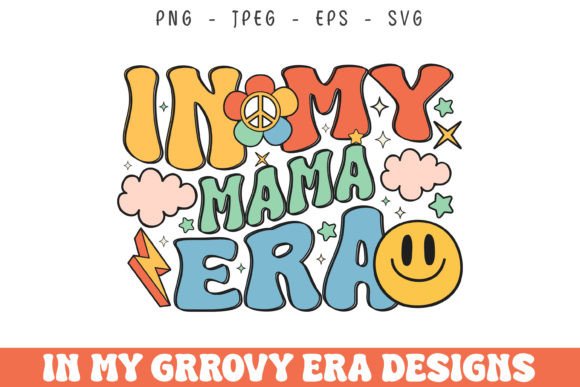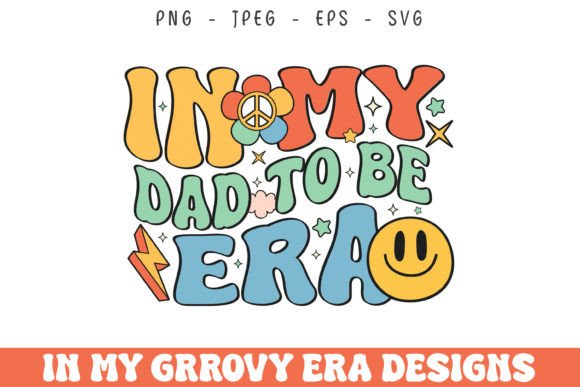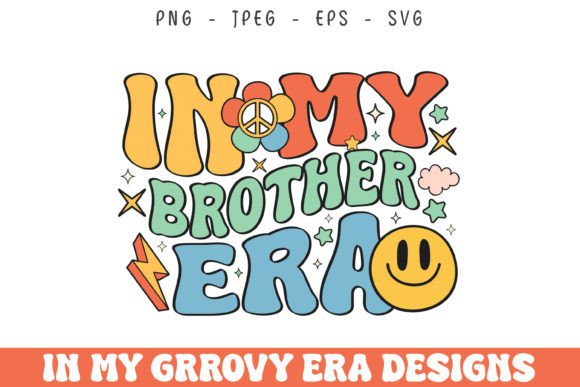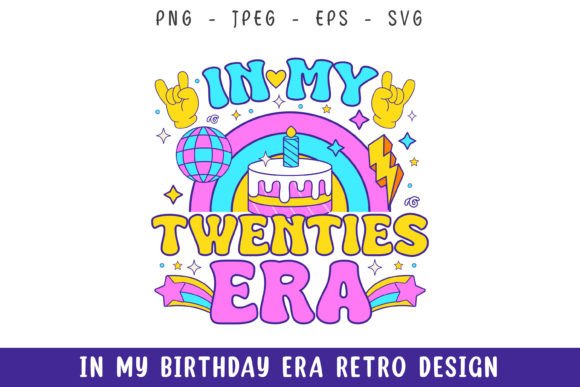
In My Uncle Era Groovy Retro Design Svg Review
As a designer who spends half my life staring at stitch charts and the other half troubleshooting tension issues on vintage machines, I don’t just look at a design file; I look at how it will behave under the needle. When I first pulled up In My Uncle Era Groovy Retro Design Svg, my initial reaction wasn’t about the trendiness of the aesthetic, but rather its structural integrity for real-world application. The title suggests a playful, nostalgic vibe, and visually, it delivers that distinct "groovy" energy without feeling cluttered or overly complex. For anyone looking to add a touch of retro flair to their craft business or personal collection, this design offers a compelling balance of style and stitchability.
First Impressions and Visual Personality
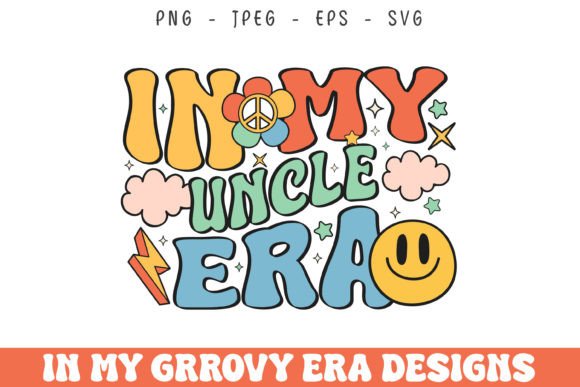
The moment you load the file, the wavy, fluid lines immediately establish a boho, hippie-inspired mood. It’s not just text; it’s a statement piece. The typography feels organic, mimicking the hand-lettered styles of the late 60s and early 70s. From a design perspective, this is crucial because it translates beautifully into embroidery. Unlike rigid block letters which can look stiff in satin stitch, these curves allow for a more dynamic flow, especially if you plan to use fill stitch techniques to give the letters volume and texture.
The visual personality here is relaxed and confident. It doesn’t try too hard. This makes it incredibly versatile for various projects. Whether you are creating a custom apparel item for a family reunion or a boutique-style tote bag design for an Etsy shop, the design commands attention without shouting. It has that "cool aunt" energy—approachable, stylish, and timeless enough to remain relevant beyond a single season.
Real-World Application: Where This Design Shines
I’ve tested numerous digital files, and some look great on screen but fall apart when stitched. In My Uncle Era Groovy Retro Design Svg performs exceptionally well in medium-to-large format applications. Let’s talk about a specific scenario: imagine you are preparing a batch of embroidered sweatshirts for a holiday gift market. You want something that feels cozy yet trendy. Placing this design across the chest or centered on the back of a heavy cotton-blend sweatshirt creates an instant hit. The wavy lines contrast nicely against the textured fabric of a sweatshirt, adding depth that flat prints simply cannot replicate.
Another strong candidate for this design is the embroidered patch. If you are selling handmade accessories, attaching this groovy graphic to denim jackets, canvas backpacks, or even baby bonnets adds a high-value, artisanal touch. Parents love personalized gifts for their little ones, and a soft, retro-themed design on a baby onesie or blanket taps directly into the nursery decor trend. It bridges the gap between modern minimalism and nostalgic warmth.
For the Etsy seller or small shop product owner, versatility is key. This design works equally well on light and dark backgrounds. Because the description notes it is easy to change colors, you can easily swap thread colors to match your brand palette. A mustard yellow on a navy blue shirt pops vibrantly, while a cream color on a white tee offers a subtle, sophisticated look. This adaptability increases your potential customer base significantly.
Technical Considerations and Potential Pitfalls
No design is perfect, and as a reviewer, I need to be honest about where this might challenge your setup. The primary concern with any wavy, text-heavy design is the stitch density. If the stitch density is too high, the fabric can pucker, especially on thinner materials like lightweight tees or sheer curtains. Before committing to a full production run, always test the design on scrap fabric that matches your final material.
Furthermore, consider the hoop size. While the design looks good large, attempting to shrink it down to fit a tiny 4x4 hoop might result in lost detail. The curves may become muddy, and small gaps between letters could fill in with thread, making the text harder to read. I recommend keeping this design in larger hoops where the spacing can breathe. Also, be cautious with textured fabrics like bouclé wool or thick terry cloth. The needle penetration required for detailed wavy lines might be difficult on such surfaces, potentially leading to skipped stitches or uneven tension.
Another area requiring care is the choice of stabilizer. For stretchy knits, a cut-away stabilizer is non-negotiable to prevent distortion over time. For woven fabrics like canvas totes, a tear-away might suffice, but a wash-away backing ensures no residue remains after cleaning. Always inspect the finished product for any loose threads in the corners of the waves, as these areas are prone to tangling if the machine speed isn’t managed correctly.
Design Assets and Commercial Viability
From a business standpoint, In My Uncle Era Groovy Retro Design Svg is a strong asset. It fits seamlessly into current market trends that favor nostalgia and handmade authenticity. Customers are increasingly drawn to products that feel curated and unique. By offering this design, you are providing a personalized gift option that stands out from mass-produced merchandise.
When creating printable mockups or listing items online, this design photographs beautifully. The organic shapes catch the light differently than straight lines, adding visual interest to your photos. This can improve click-through rates and buyer engagement. However, remember to check the licensing terms carefully. Even though it is categorized under Graphics and Crafts, ensure you have the right to sell physical items made from the file. Some licenses restrict commercial use, while others require attribution. Protecting your commercial embroidery rights is just as important as the quality of the stitch work.
Final Verdict
If you are looking to inject some fun and retro charm into your embroidery projects, In My Uncle Era Groovy Retro Design Svg is a worthy addition to your library. It is clean, stylish, and adaptable. Just remember to respect the technical limitations: test your stitches, choose the right fabric, and use adequate stabilizer. Done correctly, this design will yield a finished product that customers will love to wear, display, and gift. It’s not just a file; it’s a conversation starter, stitched one wave at a time.