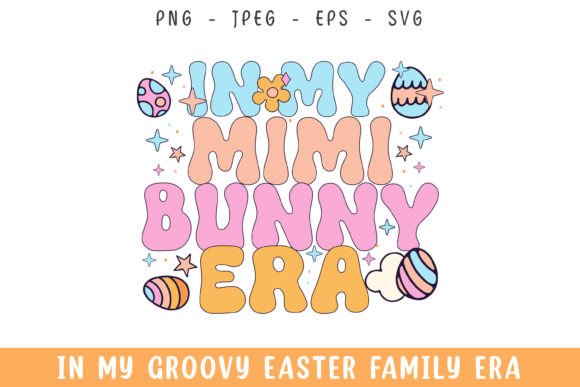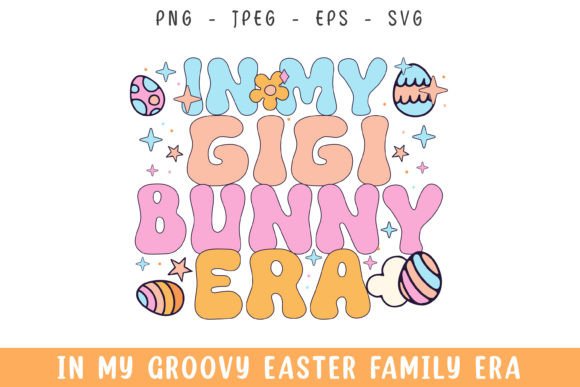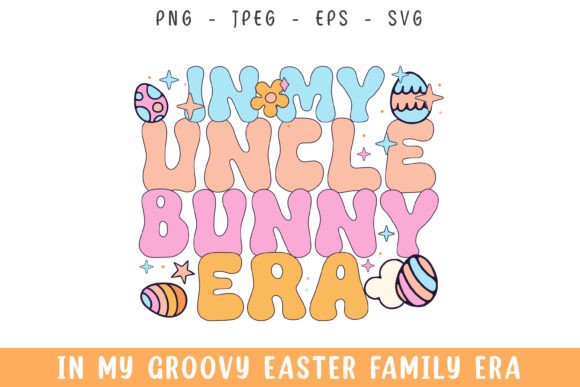
In My Aunt Easter Bunny Era Groovy Retro
When I pull a new design file into my hoop, I am not just looking at shapes; I am visualizing the finished product. I am thinking about stitch density, thread tension, and how the customer will feel when they hold it. Recently, I evaluated In My Aunt Easter Bunny Era Groovy Retro, a design that leans heavily into the nostalgic "groovy" aesthetic with a playful twist on the classic Easter bunny. For those of us in the craft business, from Etsy sellers to boutique owners, finding designs that balance humor, trendiness, and technical viability is a constant challenge. This review breaks down whether this specific machine embroidery design deserves a spot in your commercial collection or personal stash.
First Impressions: Mood and Visual Personality
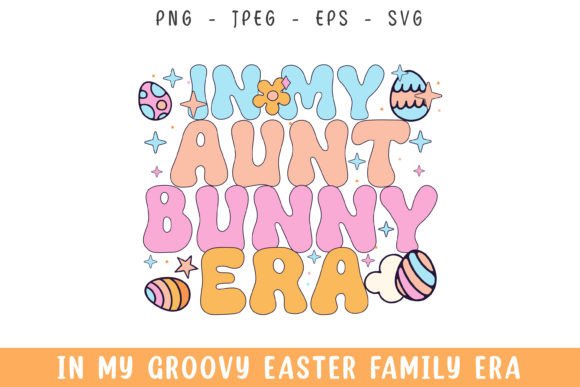
The immediate vibe of In My Aunt Easter Bunny Era Groovy Retro is undeniably fun. It taps into the retro hippie movement’s color palettes and typography styles, merging them with springtime imagery. The phrase "In My Aunt Easter Bunny Era" suggests a personality-driven approach, which resonates well with today’s market. Customers are moving away from generic holiday motifs toward designs that tell a story or express a specific attitude.
Visually, the design feels bold. The groovy elements likely rely on thick curves and distinct outlines, which generally translate well to embroidery. Unlike intricate floral patterns that can get lost in fabric texture, this design has enough visual weight to stand out. It creates a mood that is lighthearted and celebratory, making it perfect for spring events, family gatherings, or as a quirky gift item. The layout appears balanced, allowing for flexibility in placement on various garments without feeling cramped or overly sparse.
Real-World Application: Where Does This Design Shine?
I often ask myself, "What would I buy this for?" When I look at In My Aunt Easter Bunny Era Groovy Retro, I see several high-potential use cases for small business merchandise and personalized gifts.
- Custom Apparel: This design is ideal for custom t-shirts and sweatshirts. The description notes it works easily for both dark and white t-shirts, which is a huge advantage for inventory management. You do not need to change your thread palette drastically if you switch between black and white blanks, saving time during production runs.
- Tote Bag Designs: A canvas tote bag featuring this retro bunny is a staple for craft fairs. The sturdy fabric holds up well to the stitching, and the message is readable from a distance, making it an excellent marketing tool for your brand.
- Baby Embroidery and Nursery Decor: While the text is adult-oriented, the bunny motif is soft enough for baby onesies or nursery wall hangings. Parents love unique, non-traditional holiday items for their children, and this design offers a fresh take on Easter decor.
- Kitchen and Home Goods: Tea towels, aprons, and pillow covers are natural fits. The groovy aesthetic adds a pop of color to kitchen spaces, appealing to buyers who enjoy eclectic home styling.
For the digital seller, this graphic also serves as a strong asset for printable mockups. If you are selling digital embroidery files, showcasing this design on a variety of products helps potential buyers visualize the end result, increasing conversion rates for your shop.
Technical Performance and Stitching Considerations
As an experienced designer, I know that a pretty picture does not always stitch well. Here is how In My Aunt Easter Bunny Era Groovy Retro performs under the needle.
The design likely utilizes a mix of fill stitches for the bunny’s body and satin stitches for outlines or text. This combination is standard but effective. However, attention must be paid to stitch density. If the fill areas are too dense, the fabric may pucker, especially on lighter materials like cotton tees. Conversely, if the details are too fine, they may disappear on textured fabrics like fleece or heavy denim.
One critical factor is the text. Typography in embroidery is notoriously difficult. If the lettering in "In My Aunt Easter Bunny Era" includes thin serifs or tight kerning, it may require a larger hoop size to ensure clarity. I recommend testing the text legibility by viewing the design in black and white mode; if it loses readability there, it will struggle in color.
Another consideration is the background fabric. Since the design allows for easy color changes, it is versatile. On dark fabric, light thread colors will pop, creating a striking contrast. On white fabric, darker threads provide definition. However, avoid using this on highly stretchy fabrics without proper stabilizer support, as the tension of the embroidery thread can distort the garment over time.
Where to Use With Caution
While this design is robust, it is not suitable for every project. Be cautious when placing it on curved surfaces like caps or fitted hats, where distortion can alter the shape of the text. Small hoop sizes should also be avoided if the design contains intricate details that might merge together when scaled down. Additionally, for products that require frequent washing, such as baby clothes or kitchen towels, ensure that the stabilizer is removed completely and that the thread quality is high to prevent fraying.
Impact on Brand and Customer Trust
Using a design like In My Aunt Easter Bunny Era Groovy Retro signals to your customers that you are current with trends. It shows that your handmade products are not just traditional crafts but modern, lifestyle-oriented items. This boosts perceived value. When a customer sees a well-executed, trendy design on a quality garment, they trust the craftsmanship more. They assume that if the artist cared about the design, they care about the finish.
Furthermore, the "groovy" theme encourages social sharing. Unique, humorous designs are more likely to be photographed and posted on social media by buyers, providing free organic marketing for your small shop. This engagement is invaluable for building a community around your brand.
Practical Designer Notes for Execution
Before committing to a full production run, follow these steps to ensure success:
- Test on Scrap Fabric: Always stitch a sample on the exact fabric you plan to sell. Check for puckering, thread breaks, and color accuracy.
- Check Thread Contrast: Ensure the chosen thread colors provide enough contrast against the fabric. Low contrast can make the design look muddy.
- Inspect Small Details: Zoom in on the digital file. Are there any tiny elements that might not stitch clearly? Simplify if necessary.
- Confirm Hoop Size: Verify that the design fits comfortably within your machine’s maximum hoop size, leaving room for trimming.
- Review Licensing: If you intend to sell finished items, confirm the licensing terms for the digital file. Commercial use rights are essential for protecting your business.
- Use Proper Stabilizer: Match the stabilizer to the fabric weight. Heavy cut-away stabilizers are best for knitwear, while tear-away may suffice for woven cottons.
In conclusion, In My Aunt Easter Bunny Era Groovy Retro is a versatile, eye-catching design that fits seamlessly into the world of modern craft business. It offers the perfect blend of nostalgia and contemporary style, making it a strong candidate for custom apparel, gifts, and boutique merchandise. By paying attention to technical details and fabric choices, you can turn this digital asset into a profitable, high-quality physical product that customers will love.