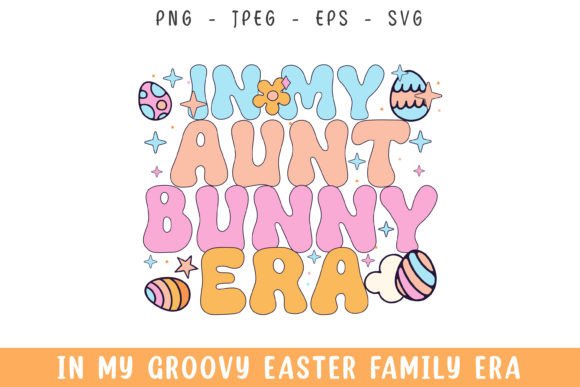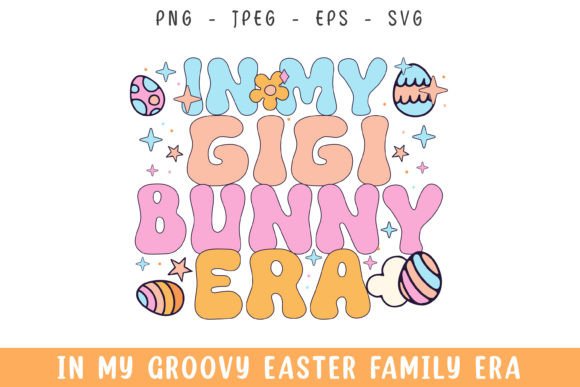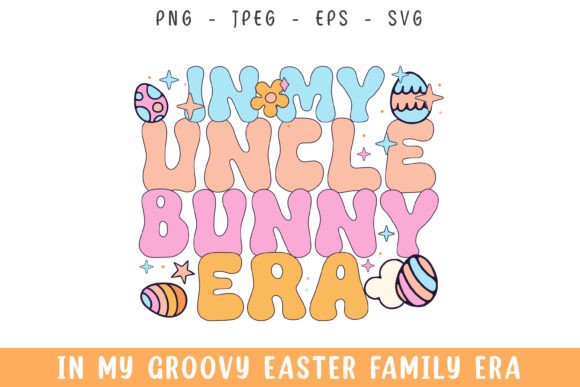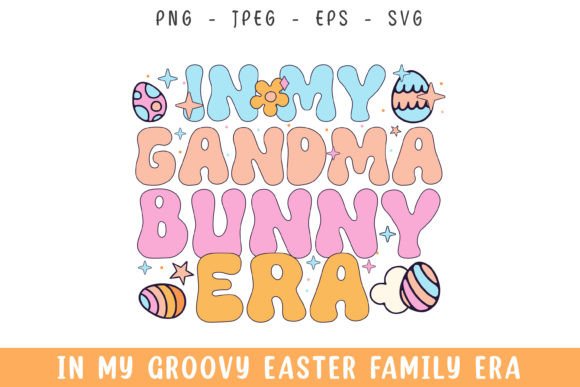
In My Mimi Easter Bunny Era Groovy Retro
As an embroidery designer who spends half my life troubleshooting tension issues and the other half scouting for unique digital assets, I approach every new file with a mix of optimism and skepticism. The market is flooded with generic holiday graphics, so finding something that balances aesthetic appeal with technical viability is rare. That is why I decided to put In My Mimi Easter Bunny Era Groovy Retro through its paces before recommending it for any commercial or personal project.
This isn’t just another clip-art bunny; it carries a specific cultural weight. The "groovy" trend has moved beyond simple typography into full visual identities, and this design taps directly into that nostalgia. It feels like a piece of design assets that understands its audience: people who want their handmade products to feel curated, trendy, and deeply personal. But does it hold up under the needle? Let’s break down how this machine embroidery design performs in real-world scenarios.
The First Impression: Mood and Visual Personality
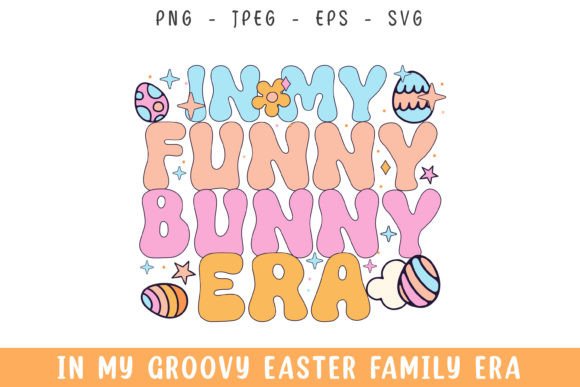
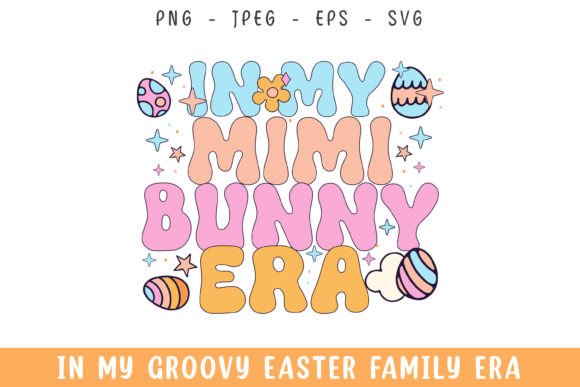
When you first load In My Mimi Easter Bunny Era Groovy Retro into your digitizing software, the layout immediately signals where it belongs. It screams boutique craft fair. The retro vibe is strong, leaning heavily into the 70s-inspired color palettes and playful typography that define the current "Easter era" aesthetic. It creates a mood that is cheerful but sophisticated enough for adult consumers, not just children.
The visual personality of this embroidery file is distinct. It avoids the overly saccharine look of traditional Easter motifs by incorporating a hipster-adjacent attitude. For designers looking to create custom apparel or small shop product lines, this provides a clear brand voice. It suggests that the wearer values humor, nostalgia, and style. This clarity is crucial because it helps Etsy sellers and craft business owners target specific customer demographics without needing complex marketing copy. The design speaks for itself.
Real-Life Application: From Tote Bags to Nursery Decor
I tested the potential applications of In My Mimi Easter Bunny Era Groovy Retro across several common embroidery project types. The versatility here is impressive, provided you match the substrate correctly.
- Tote Bag Design: This is perhaps the strongest use case. A canvas tote bag offers a stable, flat surface that allows the groovy details to shine. When stitched on natural cotton or a muted earth tone, the design pops without looking cluttered. It transforms a simple accessory into a statement piece perfect for spring markets.
- Sweatshirt Embroidery: For fall-wearers or cooler spring days, placing this on a crewneck sweatshirt adds a layer of cozy nostalgia. The retro theme pairs exceptionally well with heather grey or oatmeal-colored fabrics. However, be mindful of the fabric texture; heavy fleece can sometimes obscure fine details if the stitch density isn't adjusted.
- Baby Embroidery: While the theme is fun, the "Mimi" aspect makes it particularly suitable for gifts aimed at grandmothers or older sisters. On baby clothes, it serves as a personalized gift that acknowledges family roles with a wink. It works well on muslin blankets or hooded towels, adding a touch of modern flair to nursery decor.
- Applique Design Potential: Although primarily a graphic, the bold shapes lend themselves well to applique design techniques. Using contrasting threads for the text and fill stitches can elevate the tactile quality of the finished product, making it feel more premium than standard single-layer stitching.
Technical Considerations and Stitch Clarity
No matter how pretty a design looks on screen, its success depends on execution. In My Mimi Easter Bunny Era Groovy Retro requires careful attention to stitch density and thread selection. Because it features retro typography and potentially intricate background elements, the satin stitch around letters must be clean to remain legible. If the density is too high, the fabric may pucker; if too low, the lettering may look sparse and unprofessional.
One critical factor is the choice of thread colors. The description notes that this design allows for easy color changes for dark or white t-shirts. This flexibility is a huge plus for commercial embroidery operations. On dark fabrics, using metallic or bright pastel threads can enhance the groovy aesthetic, creating a striking contrast. On white backgrounds, deeper jewel tones might be necessary to ensure the design doesn't get lost in the fabric. Always test these combinations on scrap fabric first to gauge visibility.
Additionally, consider the hoop size. Ensure your machine hoop accommodates the full width of the design without requiring re-hooping, which can misalign the stitching. If the design includes small decorative accents or tiny lettering, inspect these closely in your software. Tiny details often suffer during the actual stitching process due to thread breaks or tension fluctuations.
Where to Use Carefully
While versatile, there are limits. Avoid using this design on highly textured fabrics like chunky knits or bouclé, as the needle may struggle to penetrate evenly, leading to inconsistent running stitch or fill areas. Stretchy fabrics require a sturdy stabilizer to prevent distortion, especially if the design covers a large area. Curved surfaces like caps can be tricky; while possible, the perspective distortion might alter the intended retro alignment unless you use a specialized cap hoop and adjust the design digitally.
Also, be cautious with embroidered patch applications if the backing material is thin. Dense fill stitches can make patches stiff, which might be uncomfortable for items like baby clothes or soft hats. In such cases, reducing the number of fill passes or opting for a lighter applique design approach might yield a better final product.
Impact on Brand and Customer Trust
For creative entrepreneurs and digital product sellers, the quality of your design directly impacts buyer engagement. A well-executed finished product builds trust. When customers receive a tote bag or sweatshirt with crisp, clear stitching from In My Mimi Easter Bunny Era Groovy Retro, they perceive higher value. It signals that the seller cares about detail and quality.
Furthermore, the nostalgic theme enhances giftability. People love giving gifts that resonate emotionally. This design taps into shared cultural memories, making it an attractive option for holiday gifts, wedding favors, or boutique branding. By offering a printable mockup of this design on various products, you can help customers visualize the outcome, reducing hesitation and increasing conversion rates.
Practical Designer Notes Before You Stitch
Before committing to mass production or selling finished items, follow these practical steps:
- Test on Scrap Fabric: Always run a test stitch-out on the exact fabric you plan to use. Check for puckering, thread breaks, and color contrast.
- Review Stabilizer Choice: Use the appropriate stabilizer (cut-away for stretchy fabrics, tear-away for wovens) to maintain integrity.
- Inspect Small Details: Zoom in on the software to ensure no tiny elements are too close to the edge or each other, which could cause tangling.
- Confirm Licensing: Verify the license terms for both personal and commercial use. If you are reselling finished goods, ensure you have the right to do so. Do not assume rights based on the product title alone.
- Black and White Mockup: Convert the design to black and white to check the balance of light and dark areas. This helps identify if the design relies too heavily on color for its impact.
In conclusion, In My Mimi Easter Bunny Era Groovy Retro is a strong candidate for anyone looking to add a trendy, nostalgic touch to their Crafts and Graphics offerings. Its visual appeal is high, and its versatility across various handmade product categories makes it a valuable addition to any designer’s library. Just remember: great design starts with careful preparation and precise execution. Test thoroughly, choose your materials wisely, and let the groovy vibes do the rest.